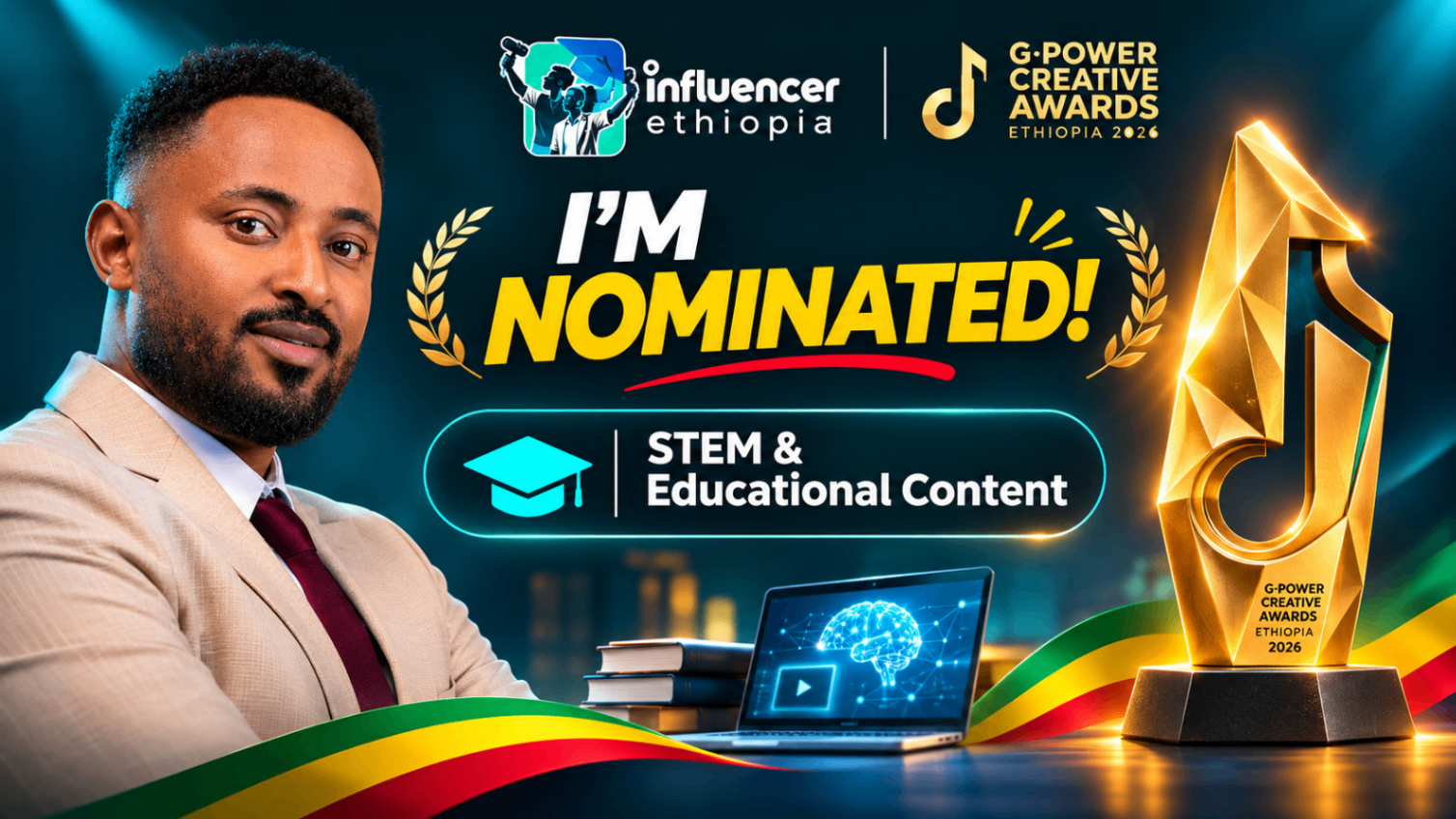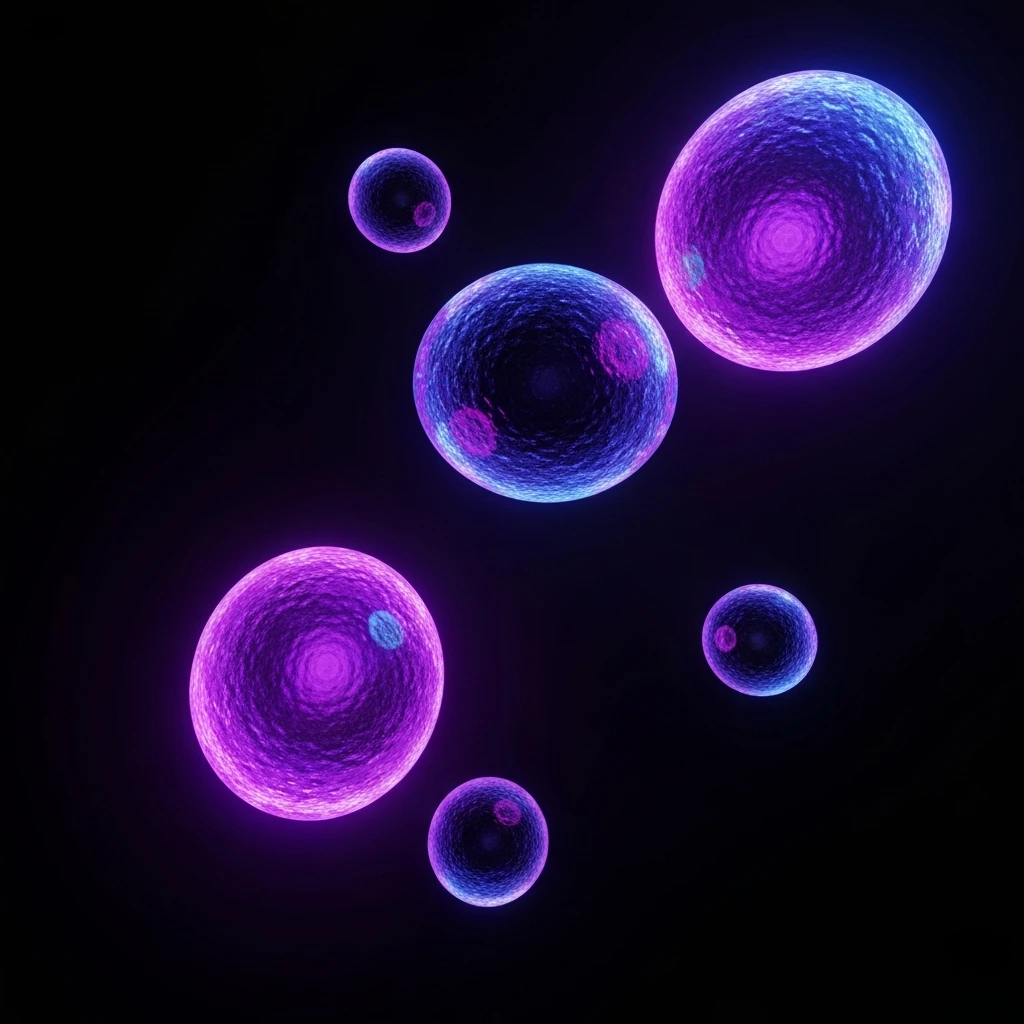
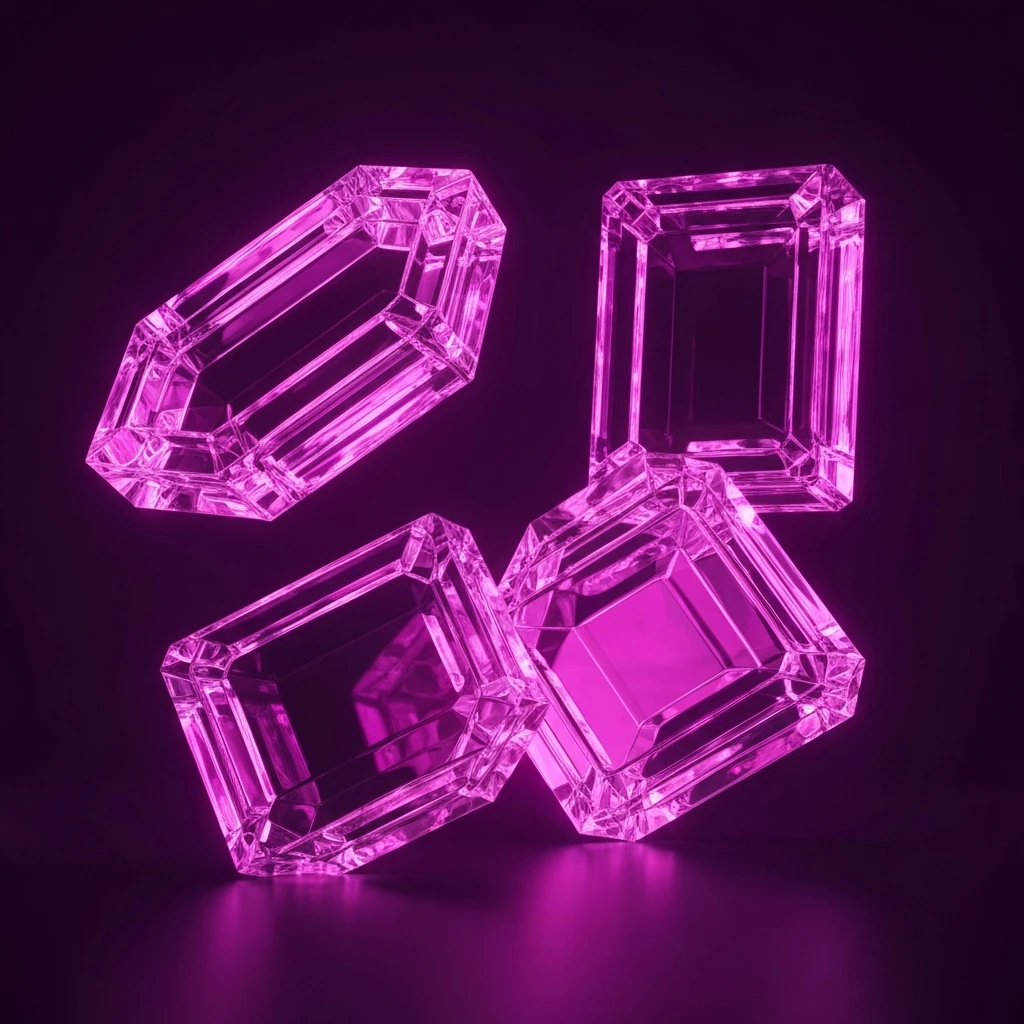
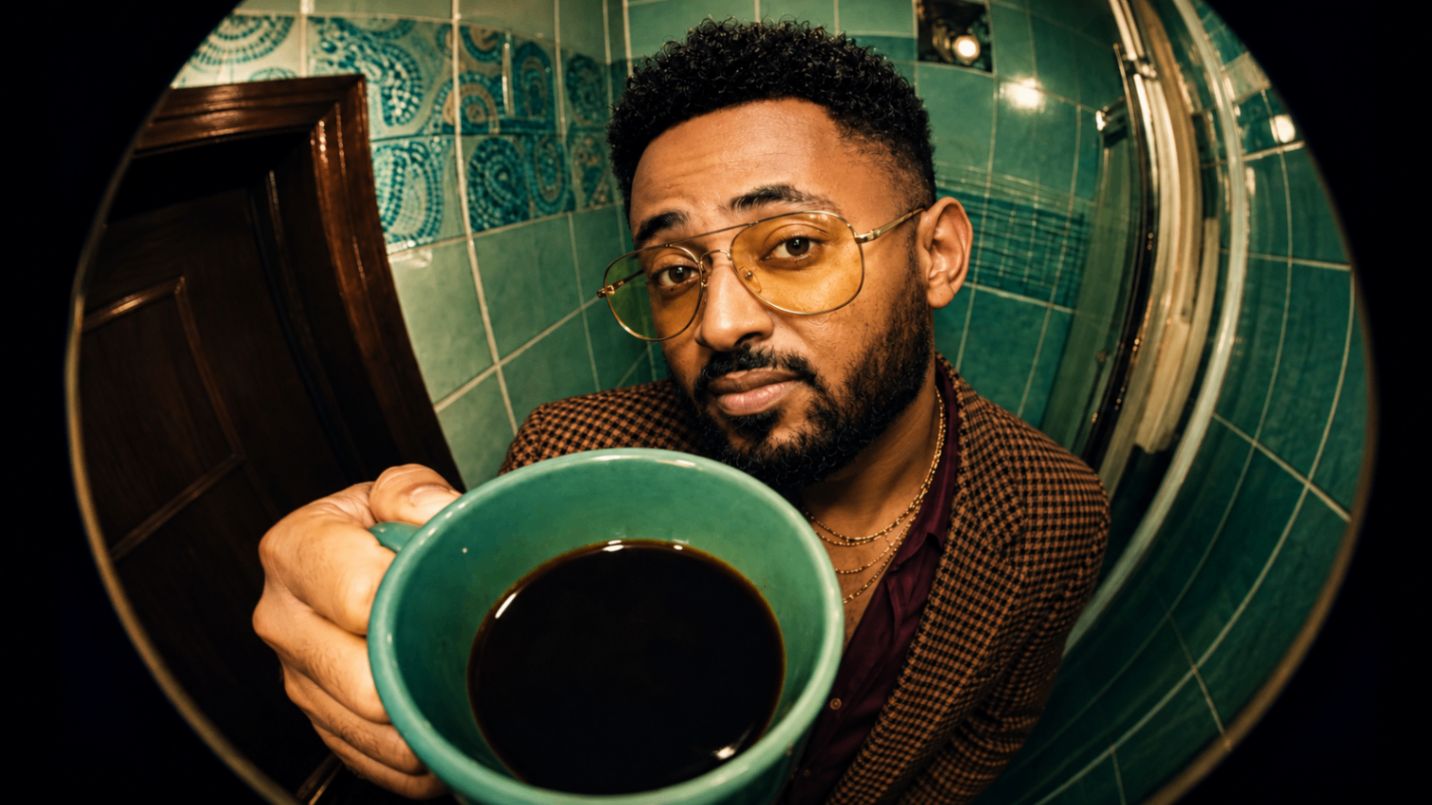
AI-generated visuals are getting seriously impressive.
Recently, I’ve been experimenting with AI image generation, cinematic visual styles, creative branding, and advanced prompt engineering—not just to see what AI can create, but to understand how much control we can actually have over the final result.
The image you’re seeing here was fully created using AI.
But there’s something important behind it:
The final image is only part of the work. The prompt matters just as much as the result.
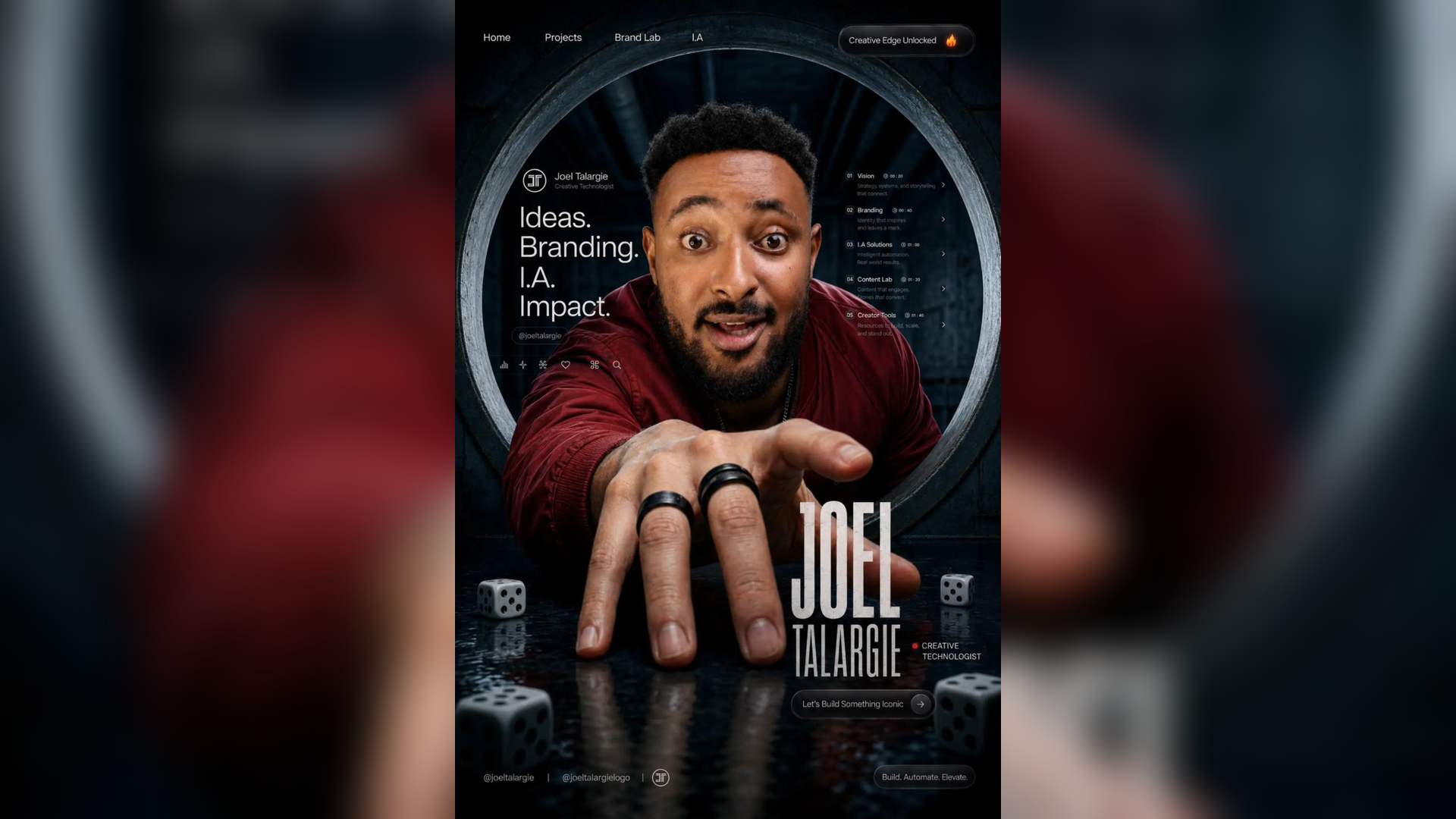
AI Image Generation Is More Than Writing a Sentence
A lot of people think generating an AI image is as simple as typing:
“Create a cinematic image.”
Technically, you can do that.
But getting a specific, professional-looking result is a completely different challenge.
A strong prompt can define the composition, camera angle, subject placement, lighting, environment, mood, depth of field, textures, color grading, realism, branding style and even the emotion you want the viewer to feel.
Instead of simply asking AI to “make something cool,” I’ve been experimenting with treating the prompt almost like instructions to a photographer, cinematographer, art director and designer at the same time.
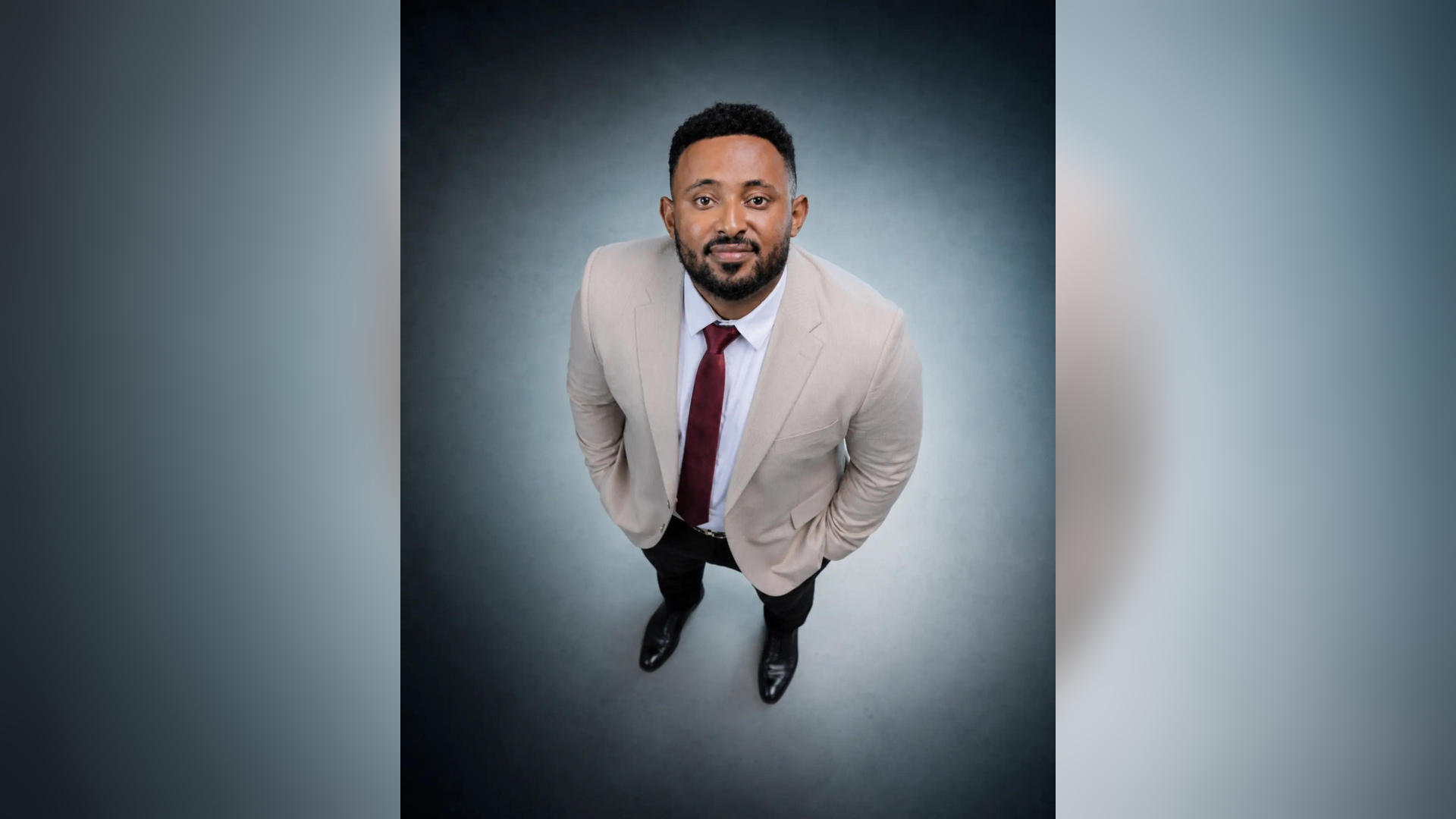
Prompt Engineering Is Becoming a Creative Skill
This is where prompt engineering becomes interesting.
The difference between an average AI-generated image and a visually striking one often isn't just the AI model being used.
It’s how you communicate your idea to the model.
For example, rather than saying:
“Create a futuristic technology image.”
You can start thinking about:
Subject → Environment → Composition → Camera → Lighting → Materials → Mood → Color grading → Details → Constraints
Suddenly, you're not just asking AI to generate an image.
You're directing it.
And that changes everything.
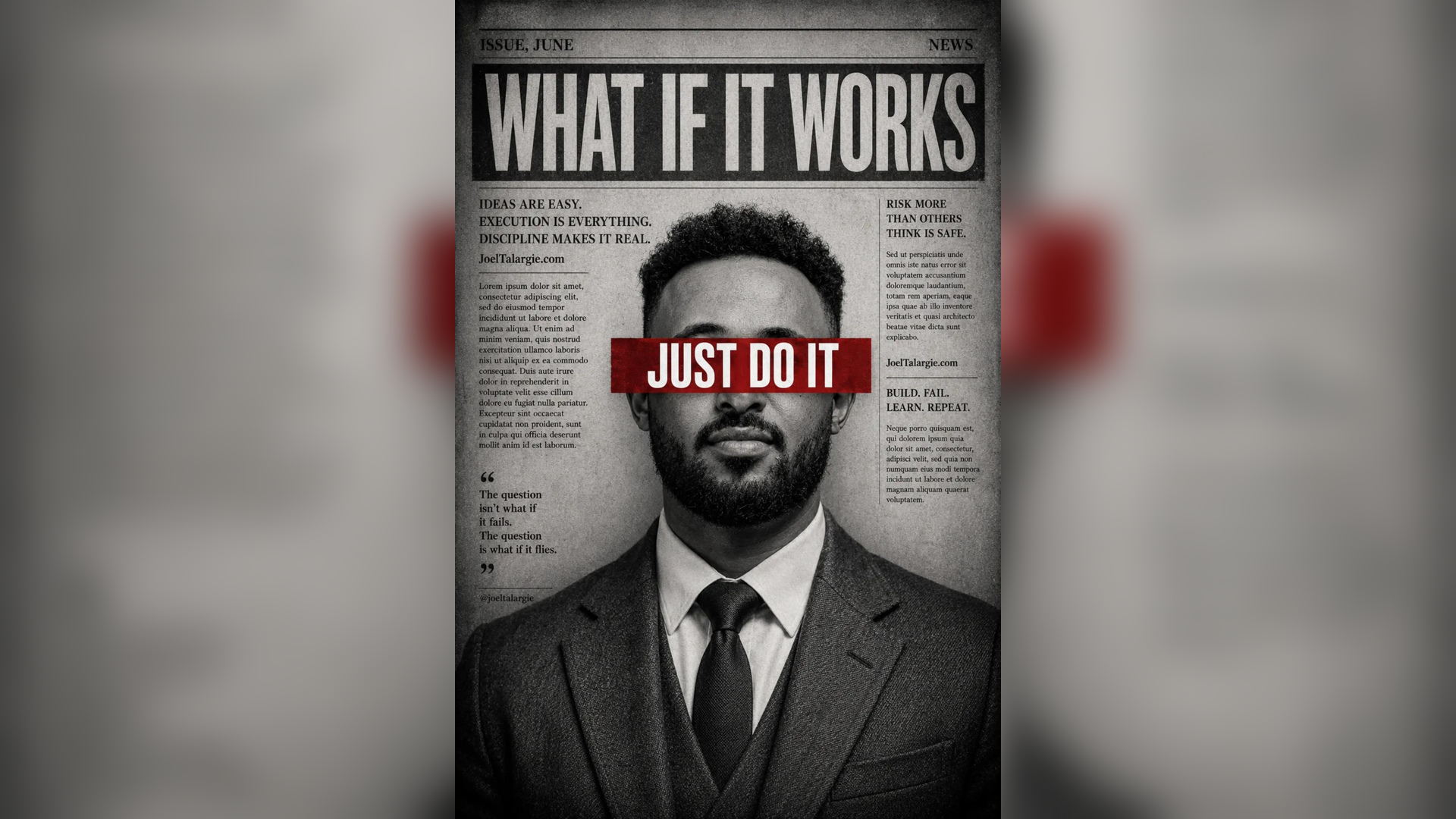
AI + Branding
One area I’m especially interested in is using AI for cinematic branding and commercial visual production.
Imagine being able to take a simple brand idea and explore multiple advertising concepts, environments, product scenes and campaign directions before going into full production.
For creators, designers, marketers and businesses, this can dramatically change the creative process.
AI doesn't necessarily replace the creative direction.
In many cases, it makes creative direction even more important.
The tool can generate thousands of possibilities—but someone still needs to decide what the image should communicate, what should be emphasized and what actually fits the brand.
This Is Just an Experiment
I'm still experimenting.
Different models behave differently. Prompts that work perfectly for one image might need major changes for another. Sometimes a tiny change in wording completely changes the composition.
And that is exactly what makes this space interesting.
There’s still so much to learn about AI visuals, prompt engineering, AI filmmaking, cinematic advertising and AI-assisted creative workflows.
Over the coming weeks, I’ll be sharing more of my experiments, including:
AI image workflows
Prompt engineering techniques
Before-and-after prompt improvements
Cinematic AI visuals
AI branding experiments
Image-to-video workflows
Creative AI tools
Practical prompts you can experiment with yourself
The goal isn't simply to generate beautiful images.
It's to understand how to turn an idea in your head into something AI can actually visualize.
And right now, we're only scratching the surface.
More AI experiments coming soon. 🚀
— Joel Talargie